
Sleep Apnea in Children: Signs, Risks, and Treatment
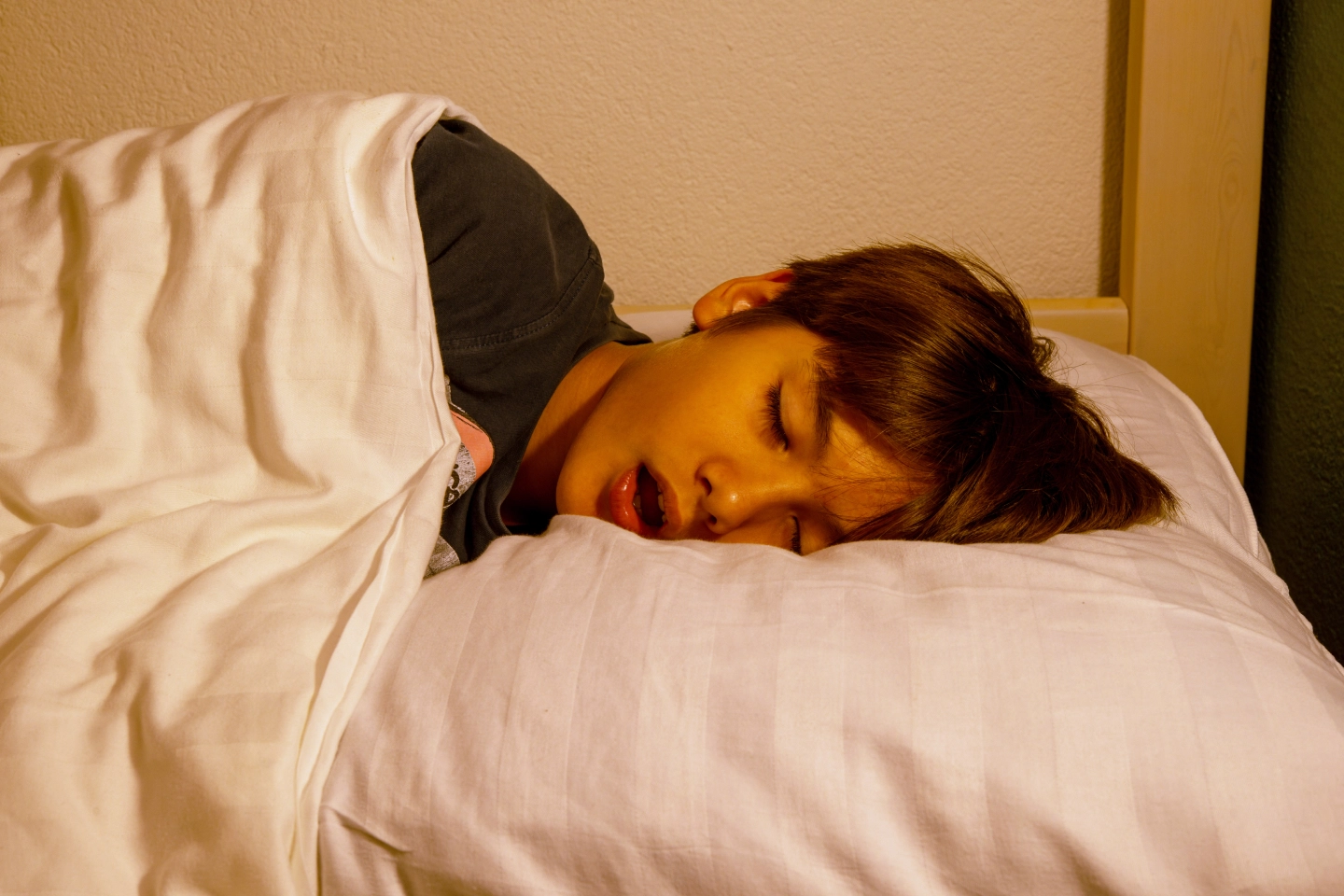
What Is Sleep Apnea in Children?
Obstructive sleep apnea (OSA) is characterized by repeated interruptions in breathing during sleep, leading to a lack of deep, restful sleep. When adults experience this condition, they often feel excessive daytime sleepiness. However, in children, it is more commonly linked to behavioral issues.
Sleep apnea in children is associated with ADHD-like symptoms, mood disorders, and learning difficulties. It is also closely related to other forms of sleep-related breathing issues, which can impact a child’s overall health and development. To understand similar conditions, you can read more about sleep-related breathing problems.
What Causes Sleep Apnea in Children?
The most common cause of sleep apnea in children is enlarged adenoids or tonsils. These soft tissues, located at the back of the throat, can partially block the airway during sleep.
In some cases, poor oral habits and airway development can also contribute to breathing issues. Learn how habits affect oral health in this guide on oral habits and their impact on teeth.
Signs of Sleep Apnea in Children
Physical Symptoms
- Snoring
- Pauses in breathing
- Chronic mouth breathing
- Constant tossing and turning
- Night panics
- Bed-wetting
Behavioral Symptoms
- Hyperactivity
- Difficulty paying attention
- Learning problems
- Poor school performance
If these symptoms persist, it’s important to seek guidance as they may affect your child’s growth and oral development. Regular checkups play a key role—read more about how often children should visit the dentist.
Treatment Options for Sleep Apnea
Several treatment options are available depending on the severity and cause of the condition:
Surgical Treatment
If enlarged adenoids or tonsils are the cause, surgical removal may be recommended.
CPAP Machine
A Continuous Positive Airway Pressure (CPAP) machine delivers steady airflow through a mask, helping keep the airway open during sleep.
Palatal Expander
A palatal expander widens the upper jaw, improving airflow and supporting proper oral development. This treatment is often part of early orthodontic treatment in children.
Oral Appliances
Oral appliances function similarly to retainers or mouthguards and help maintain an open airway. These are often categorized under different orthodontic appliances used to guide proper jaw alignment.
In some cases, untreated sleep apnea can contribute to jaw discomfort or misalignment. Learn more about related conditions like TMJ disorders.
Why Early Diagnosis Matters
Identifying and treating sleep apnea early can significantly improve your child’s sleep quality, behavior, and overall well-being. It also supports proper facial and dental development.
Understanding the importance of children’s oral health is key explore more about pediatric dental care and how it supports long-term health.
Frequently Asked Questions
Can children outgrow sleep apnea?
In some cases, mild sleep apnea may improve as a child grows. However, many children require treatment, especially if enlarged tonsils, adenoids, or jaw development issues are involved.
Is snoring always a sign of sleep apnea?
Not always. Occasional snoring can be normal, but frequent or loud snoring combined with breathing pauses may indicate sleep apnea and should be evaluated by a professional.
How is sleep apnea diagnosed in children?
Sleep apnea is typically diagnosed through a sleep study, where breathing patterns, oxygen levels, and sleep cycles are monitored overnight.
Can dental treatment help with sleep apnea?
Yes, certain dental treatments like palatal expanders or oral appliances can improve airway space and reduce symptoms, especially in growing children.
Conclusion
Sleep apnea in children is more than just a sleep issue it can affect behavior, learning, and overall development. Recognizing the early signs and seeking timely treatment can make a significant difference in your child’s health and quality of life. With the right combination of medical and dental care, most children can achieve better sleep and improved well-being.
Visit Ripon Dental for Pediatric Care
Experience exceptional dental care at Ripon Dental, home to the best dentist and the finest dental services in town. Conveniently located at 1222 W Colony Rd, Suite 140, Ripon, CA 95366, US, we invite you to contact us today at (209) 924-4089 to discover our comprehensive range of services.



Get in Touch With Ripon Dental
Book your appointment at Ripon Dental and enjoy trusted, family-friendly dental care in the heart of Ripon


Monday to Friday: 8 AM - 5 PM
Saturday & Sunday: Closed


© Ripon Dental 2026. All Rights Reserved | Privacy Policy | Digital Marketing by Remedo