
Types of Dental Appliances and Their Uses
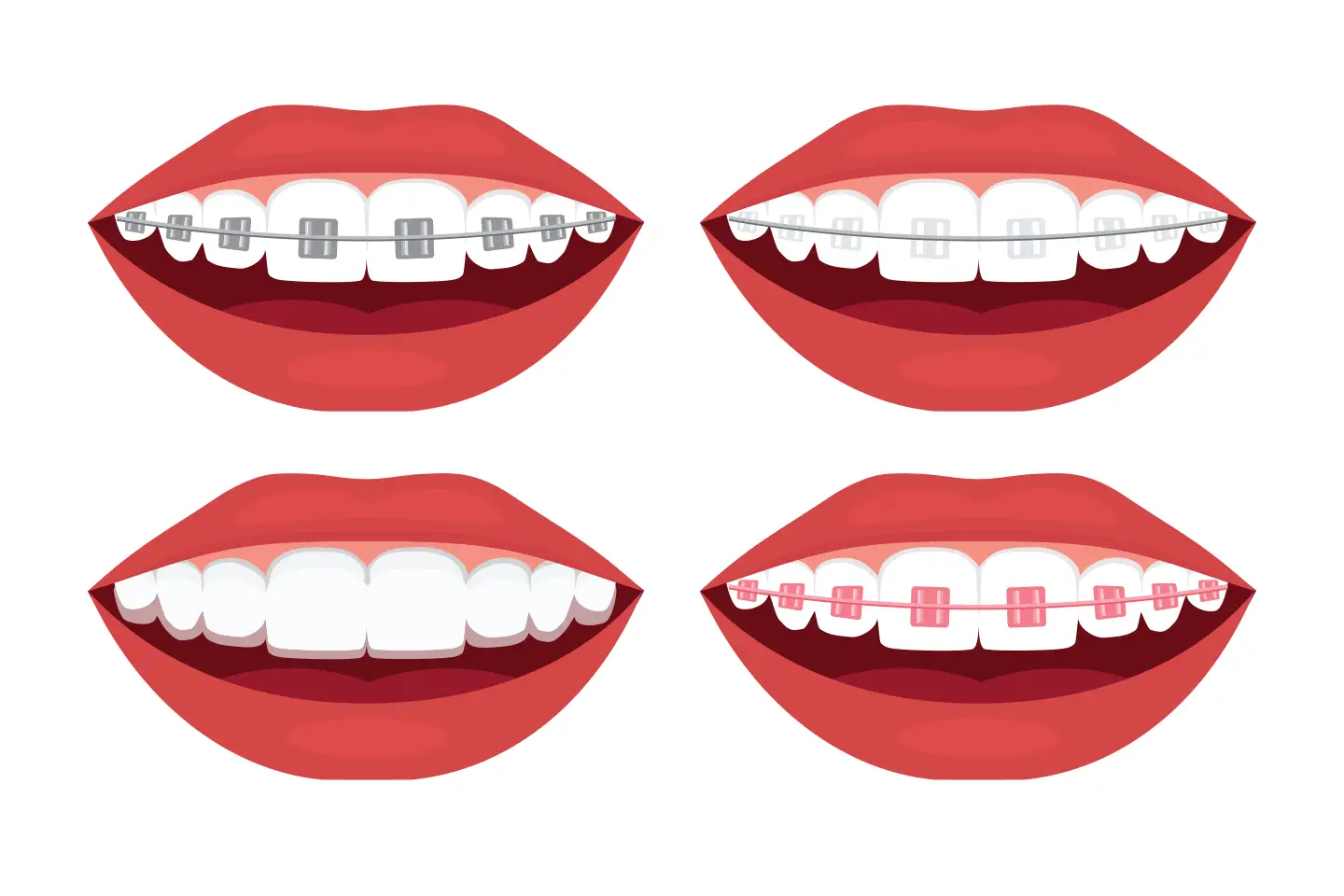
Orthodontic appliances play a crucial role in correcting bite issues, aligning teeth, and improving overall oral health. Depending on your dental needs, your orthodontist may recommend different appliances as part of your treatment plan.
To better understand how these appliances work alongside treatments like different types of braces, here’s a detailed breakdown.
Elastics
Elastics are small rubber bands that help move teeth into proper alignment. Typically, one side is connected to the top jaw and the other side to the bottom jaw, helping create an ideal bite.
They are commonly used in patients with bite problems, such as overbite or underbite, and are often combined with braces for effective results.
Forsus™ Nitinol Flat Spring
A Forsus appliance is a small rod with a spring surrounding it, designed to replace or prevent the need for headgear or even jaw surgery.
It is typically used to correct overjet or overbite and is often introduced during early orthodontic treatment to guide proper jaw development.
Headgear
Headgear is used to treat patients with either an overbite or an underbite. It gently applies pressure to guide the jaw into proper alignment.
If you want to learn more about how this appliance works in detail, read our guide on orthodontic headgear.
Herbst® Appliance
This appliance attaches to the back teeth and applies constant forward pressure on the lower jaw and backward pressure on the upper jaw to correct an overbite.
It is commonly used in growing patients to improve jaw positioning without the need for surgical intervention.
Palatal Expander
A palatal expander is used to widen the upper jaw. Adjustments are made periodically to maintain pressure, allowing the jaw to expand gradually.
This appliance is especially beneficial in younger patients undergoing early orthodontic treatment.
Positioners
Positioners feel similar to clear plastic retainers and are used to complete final tooth movement after braces.
They help fine-tune alignment and ensure teeth settle into their ideal position after active orthodontic treatment.
Retainers
Retainers are made from plastic, metal, or a combination of both and are essential for maintaining results after braces are removed.
To understand why retention is critical after orthodontic treatment, visit our blog on orthodontic retention.
Separators or Spacers
Separators or spacers are tiny rubber bands placed between back teeth to create space for metal bands.
These are typically used before placing braces or other appliances, ensuring proper fit and effectiveness of the treatment.
Twin Block Appliance
The twin-block appliance consists of two acrylic blocks that work together to advance the lower jaw and correct an overbite.
It is designed for full-time wear and is especially effective in correcting jaw alignment issues in growing patients.
MARA Appliance
MARA (Mandibular Anterior Repositioning Appliance) is a fixed appliance anchored to the molars. It requires periodic adjustment by your orthodontist and helps guide lower jaw growth.
This appliance is often recommended for more severe overbite cases where consistent correction is required.
When Do You Need Orthodontic Appliances?
Orthodontic appliances are recommended when patients experience alignment issues, jaw discrepancies, or spacing problems.
If you're unsure which treatment is right for you, explore our orthodontic services to learn more about available options and personalized care.
Final Thoughts
Orthodontic appliances are essential tools in achieving a healthy, well-aligned smile. From minor adjustments to major corrections, each appliance plays a unique role in improving dental function and aesthetics.
Early diagnosis and the right treatment plan can significantly improve long-term oral health outcomes.



Get in Touch With Ripon Dental
Book your appointment at Ripon Dental and enjoy trusted, family-friendly dental care in the heart of Ripon


Monday to Friday: 8 AM - 5 PM
Saturday & Sunday: Closed


© Ripon Dental 2026. All Rights Reserved | Privacy Policy | Digital Marketing by Remedo