
Snoring and Sleep Apnea: Dental Causes and Treatment Options
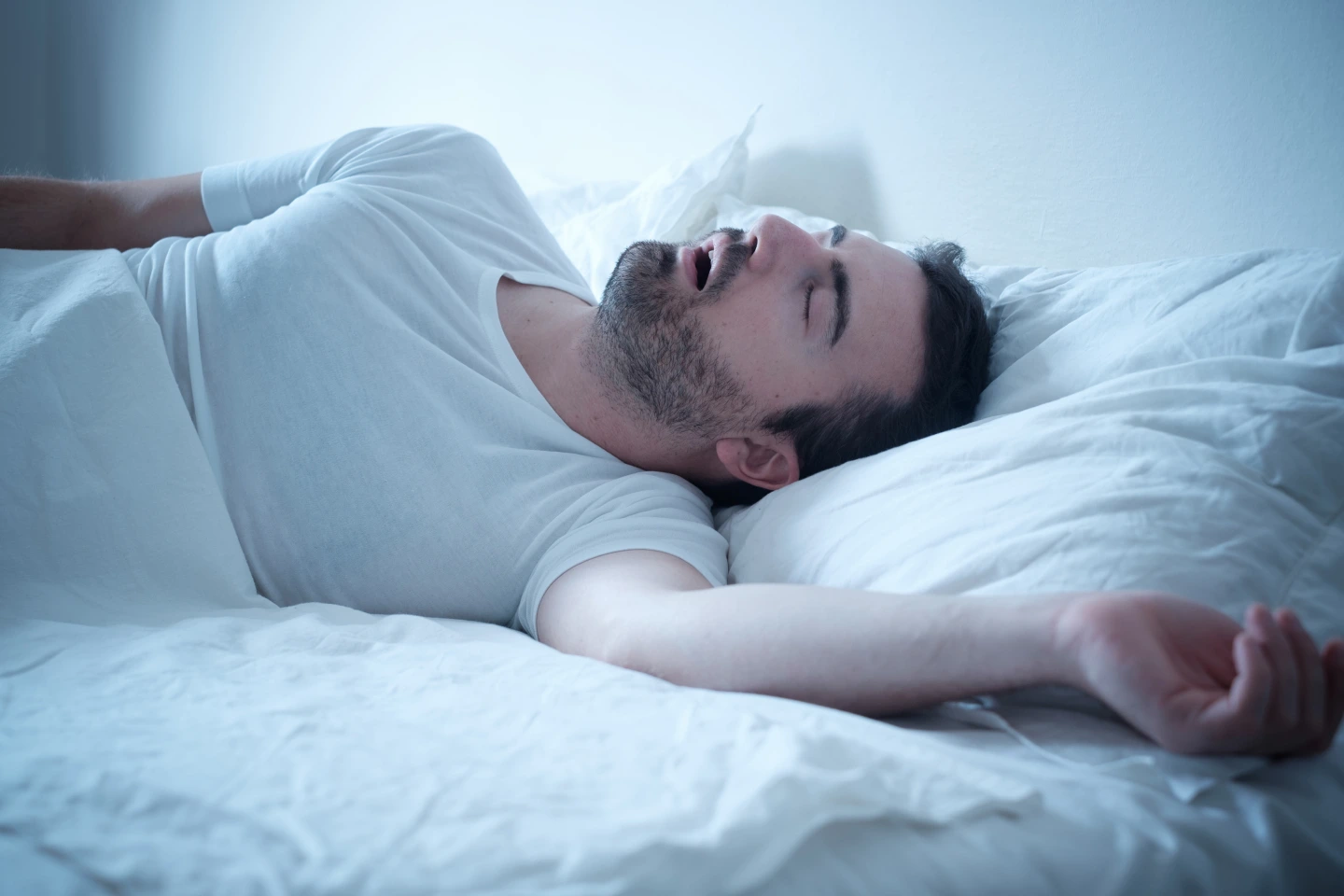
Understanding Sleep Apnea
Sleep apnea is a serious sleep disorder that affects breathing during sleep. In many cases, treatment may involve procedures available under oral surgery services, which aim to remove excess tissue from the throat that blocks airflow.
One surgical procedure is a Uvulopalatopharyngoplasty (UPPP), which involves removing excess tissue from the upper mouth and throat. This procedure is performed in a hospital under general anesthesia.
Maxillomandibular advancement is another surgical option that repositions the upper and lower jaw forward, creating more space behind the soft palate and reducing airway obstruction.
A tracheostomy is typically considered a last resort when other treatments fail. This involves inserting a breathing tube into the throat to maintain airflow during sleep.
All of these procedures are routine and generally safe when performed by qualified professionals.
Is It Snoring or Sleep Apnea?
Snoring occurs when soft tissues in the throat relax during sleep, partially blocking the airway and vibrating as air passes through. This vibration creates the familiar snoring sound.
While occasional snoring may seem harmless, chronic snoring can sometimes indicate a deeper issue, especially when combined with interrupted breathing patterns.
Sleep apnea, on the other hand, is a more serious condition. The term “apnea” means “breathless,” and individuals with sleep apnea repeatedly stop breathing during sleep.
These pauses trigger the brain to wake the body, often causing choking or gasping. This cycle can occur multiple times per hour, preventing deep, restorative sleep.
Types of Sleep Apnea
Obstructive Sleep Apnea (OSA)
Obstructive sleep apnea is the most common form and occurs when throat muscles relax excessively, blocking the airway. Factors such as jaw structure and bite alignment can contribute to this condition. In some cases, issues related to jaw alignment may also connect with conditions explained in this guide on TMJ disorders.
Central Sleep Apnea (CSA)
Central sleep apnea occurs when the brain fails to send proper signals to the muscles that control breathing. This results in shallow or paused breathing during sleep.
Complex Sleep Apnea
Complex sleep apnea is a combination of both obstructive and central sleep apnea. Risk factors include age, obesity, alcohol use, medications, and even stress-related habits. You can learn more about how stress impacts oral and overall health in this article on stress and oral habits.
How Sleep Apnea Affects Your Daily Life
Sleep apnea impacts both your nights and your days. Common nighttime symptoms include:
- Loud snoring
- Choking or gasping
- Interrupted breathing
During the day, you may experience:
- Fatigue and drowsiness
- Difficulty concentrating
- Morning headaches
- Mood changes
If untreated, sleep apnea can increase the risk of serious health conditions such as:
- High blood pressure
- Heart disease
- Stroke
- Accidents due to fatigue
Available Treatments for Sleep Apnea
Treatment depends on the severity and cause of the condition.
1. Lifestyle Changes
Mild cases may improve with:
- Weight management
- Reduced alcohol intake
- Better sleep positioning
2. Oral Appliances
Custom oral appliances help keep the airway open by repositioning the jaw or tongue. These devices are similar to those discussed in our guide on mouthguards and night guards, which are also used to manage teeth grinding and airway issues.
3. CPAP Therapy
Continuous Positive Airway Pressure (CPAP) machines deliver steady airflow through a mask to keep airways open during sleep.
4. Surgical Options
In more severe cases, surgical intervention may be required. Procedures available under oral surgery can effectively remove obstructions and improve airflow.
When to See a Dentist or Specialist
If your snoring is loud, persistent, or accompanied by breathing interruptions, it’s important to seek professional help.
Early diagnosis can prevent complications and improve your quality of life. You can also explore related concerns in children through this guide on sleep apnea in children.
To get started, schedule a consultation through our contact page.
Frequently Asked Questions (FAQs)
What is the main cause of sleep apnea?
The most common cause is airway obstruction due to relaxed throat muscles, excess tissue, or jaw positioning.
Is snoring always a sign of sleep apnea?
No, but persistent and loud snoring combined with breathing interruptions may indicate sleep apnea.
Can dentists help with sleep apnea?
Yes, dentists can provide oral appliances and guide you toward appropriate treatment options.
Are oral appliances effective?
Yes, especially for mild-to-moderate sleep apnea. They help maintain proper airway alignment during sleep.
Conclusion
Snoring may seem like a minor inconvenience, but it can sometimes signal a more serious condition, such as sleep apnea. Understanding the symptoms, causes, and treatment options is essential for protecting both your oral health and overall well-being.
From lifestyle adjustments to advanced treatments like oral appliances and surgery, effective solutions are available. If you suspect sleep apnea, don’t delay seeking professional care early intervention can lead to better sleep, improved health, and a higher quality of life.



Get in Touch With Ripon Dental
Book your appointment at Ripon Dental and enjoy trusted, family-friendly dental care in the heart of Ripon


Monday to Friday: 8 AM - 5 PM
Saturday & Sunday: Closed


© Ripon Dental 2026. All Rights Reserved | Privacy Policy | Digital Marketing by Remedo