
Why Are My Teeth Yellow Even Though I Brush Every Day?
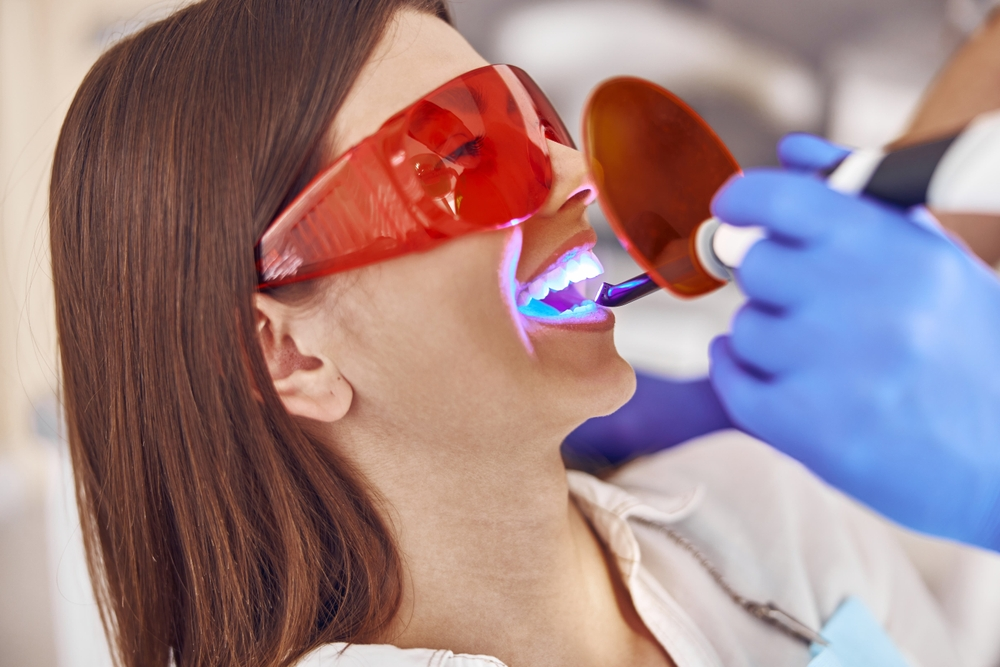
You brush your teeth every morning and night. You floss regularly. You do your best to take care of your smile, yet when you look in the mirror, your teeth still appear yellow.
If this sounds familiar, you are not alone. Yellow or dull-looking teeth do not automatically mean that you have poor oral hygiene. In fact, several factors can affect tooth color even when you have a consistent brushing routine.
Some discoloration comes from foods and drinks, while other changes in tooth color are related to aging, enamel, genetics, medications, or the natural color of the tooth underneath the enamel. Understanding why your teeth look yellow can help you choose the right way to brighten your smile.
If you are concerned about tooth discoloration, a visit to a family dentist in Ripon can help determine what is causing it and whether cosmetic dental treatment could help.
Brushing Does Not Change Your Natural Tooth Color
Brushing is essential for removing plaque, food particles, and some surface stains. However, brushing is not designed to completely change the natural color of your teeth.
Your teeth have several layers. The outer enamel is relatively translucent, which means some of the naturally yellowish dentin underneath can show through. As enamel becomes thinner with age, the underlying dentin may become more noticeable.
This means that perfectly healthy teeth are not necessarily bright white.
Your natural tooth shade is influenced by genetics, enamel thickness, age, and other factors. A slight yellow tint does not automatically indicate a dental problem.
Common Reasons Teeth Look Yellow
Surface Stains From Food and Drinks
Certain foods and beverages contain pigments that can gradually stain the surfaces of your teeth.
Common examples include:
- Coffee
- Tea
- Red wine
- Dark-colored sodas
- Berries
- Tomato-based sauces
- Curry and other strongly colored foods
You do not necessarily have to stop enjoying these foods and drinks. Rinsing your mouth with water afterward and maintaining good brushing and flossing habits can help reduce the buildup of surface stains.
Tobacco Use
Smoking and other tobacco products can cause significant tooth discoloration. Tobacco stains can become more difficult to remove over time, particularly when they accumulate on the enamel.
If you use tobacco, professional dental cleanings can help remove some external staining. Your dentist can also discuss strategies for protecting your oral health.
Aging
Your teeth naturally change as you get older.
Over time, enamel can become thinner from normal wear. Because dentin underneath the enamel has a naturally yellowish color, it may become more visible as the enamel becomes less opaque.
This is one reason adults may notice that their teeth appear darker or more yellow than they did when they were younger.
Enamel Wear
Enamel is the hard outer layer that protects your teeth. Once enamel is lost, the body cannot naturally grow it back.
Acidic foods and beverages, acid reflux, certain habits, and aggressive brushing can contribute to enamel erosion or wear. As enamel becomes thinner, the underlying dentin can show through more clearly.
This is another reason brushing harder is not necessarily the answer to yellow teeth.
Genetics and Natural Tooth Color
Some people naturally have teeth that are warmer or more yellow in tone than others.
Tooth color is partly determined by genetics and enamel characteristics. If your teeth have always had a slightly yellow appearance despite good oral hygiene, your natural tooth shade may simply be contributing to the way your smile looks.
Could Plaque or Tartar Be Making Your Teeth Look Yellow?
Yes.
Plaque is a sticky film that develops on your teeth. If it is not removed effectively, it can harden into tartar, also called dental calculus.
Tartar can have a yellow, brown, or darker appearance and cannot be removed effectively with a regular toothbrush. Professional dental cleanings are needed to safely remove it.
If your teeth look yellow around the gumline, particularly if you also have bleeding or swollen gums, schedule a dental examination and cleaning.
Why Whitening Toothpaste May Not Be Enough
Whitening toothpaste can help remove certain surface stains, but it does not fundamentally change the natural color of your teeth.
If the discoloration is deeper or related to the natural color of the dentin, whitening toothpaste may have limited results.
Using abrasive products excessively can also contribute to enamel wear. If you are unsure which whitening products are appropriate for you, ask your dentist before starting a whitening routine.
Professional Teeth Whitening May Help
If your teeth are healthy and your main concern is discoloration, professional teeth whitening may be an option.
A dentist can evaluate your teeth and determine whether whitening is likely to give you the results you want. Professional whitening can often produce a more noticeable change than brushing alone because it is designed specifically to lighten tooth color.
However, whitening is not appropriate for every type of discoloration.
For example, dental crowns, fillings, and veneers do not whiten in the same way as natural teeth. If you have restorations on visible teeth, your dentist should consider them before recommending whitening.
What If Whitening Does Not Work?
Not every type of discoloration responds equally well to bleaching.
Some teeth can have internal discoloration caused by trauma, certain medications, developmental changes, or other factors. In these cases, your dentist may recommend a different cosmetic solution.
Depending on the situation, options can include dental bonding or porcelain veneers.
The right treatment depends on the reason for the discoloration, the condition of your teeth, and the result you want.
Can a Dental Cleaning Make Yellow Teeth Look Better?
Sometimes.
If your teeth look yellow because of plaque, tartar, or surface staining, a professional cleaning may noticeably improve their appearance.
A cleaning is not the same as professional teeth whitening, though. Cleaning focuses on removing plaque, tartar, and buildup. Whitening is designed to lighten the color of natural teeth.
Your dentist or dental hygienist can help determine whether your concern is primarily related to buildup or actual tooth discoloration.
When Should You See a Dentist About Yellow Teeth?
Consider scheduling a dental visit if:
- Your tooth color has changed suddenly
- One tooth has become noticeably darker than the others
- You have tooth sensitivity or pain
- Your gums bleed frequently
- You have visible tartar
- You are considering professional whitening
- You have tried whitening products without success
- You are unsure whether your discoloration is surface staining or something deeper
A change in the color of a single tooth deserves particular attention because it can sometimes be associated with trauma or changes inside the tooth.
How to Keep Your Smile Looking Its Best
You cannot completely prevent natural changes in tooth color, but you can reduce avoidable staining.
Brush twice a day with fluoride toothpaste and clean between your teeth daily. Keep regular dental appointments so your dentist can identify problems early and remove professional buildup when needed.
If you drink coffee, tea, or other staining beverages frequently, rinsing with water afterward can help reduce the amount of pigment left on your teeth.
Most importantly, do not assume that brushing harder will make your teeth whiter. Good oral hygiene is about keeping your teeth healthy, not scrubbing away their natural structure.
Schedule a Smile Consultation With Ripon Dental
If you brush every day but still feel unhappy with the color of your teeth, you do not have to guess which whitening option will work. Ripon Dental can evaluate your smile, identify the likely cause of discoloration, and discuss appropriate cosmetic dental treatment.
Schedule an appointment with Ripon Dental, your local family dentist in Ripon, to explore your options for a healthier, brighter-looking smile.
FAQs About Yellow Teeth
Are yellow teeth always a sign of poor hygiene?
No. Yellow teeth can result from natural tooth color, aging, enamel thickness, genetics, food and drink stains, tobacco use, or other factors. Poor oral hygiene can contribute to buildup and staining, but it is not the only cause.
Can brushing twice a day make yellow teeth white?
Brushing helps remove plaque and some surface stains, but it does not necessarily change your natural tooth color. If you want a noticeably whiter smile, discuss professional whitening with your dentist.
Does coffee permanently stain teeth?
Frequent coffee consumption can contribute to surface staining over time. Good oral hygiene, professional cleanings, and appropriate whitening treatments can help manage discoloration.
Can a dental cleaning remove yellow stains?
A professional cleaning can remove plaque, tartar, and some external stains. However, deeper discoloration may require cosmetic treatment.
Is whitening toothpaste safe?
Whitening toothpaste can help remove surface stains when used as directed. If you experience sensitivity or have concerns about enamel wear, ask your dentist which products are appropriate for you.
Why is one tooth darker than the others?
A single dark or gray tooth can have different causes, including previous trauma or changes within the tooth. A dentist should evaluate noticeable changes in the color of one tooth.
Can veneers fix yellow teeth?
Porcelain veneers can cover certain types of discoloration and change the appearance of the front surfaces of teeth. They are not necessary for everyone, so your dentist should first determine whether simpler options such as whitening could meet your goals.



Get in Touch With Ripon Dental
Book your appointment at Ripon Dental and enjoy trusted, family-friendly dental care in the heart of Ripon


Monday to Friday: 8 AM - 5 PM
Saturday & Sunday: Closed


© Ripon Dental 2026. All Rights Reserved | Privacy Policy | Digital Marketing by Remedo