
Wisdom Teeth Removal: When Should They Be Extracted?
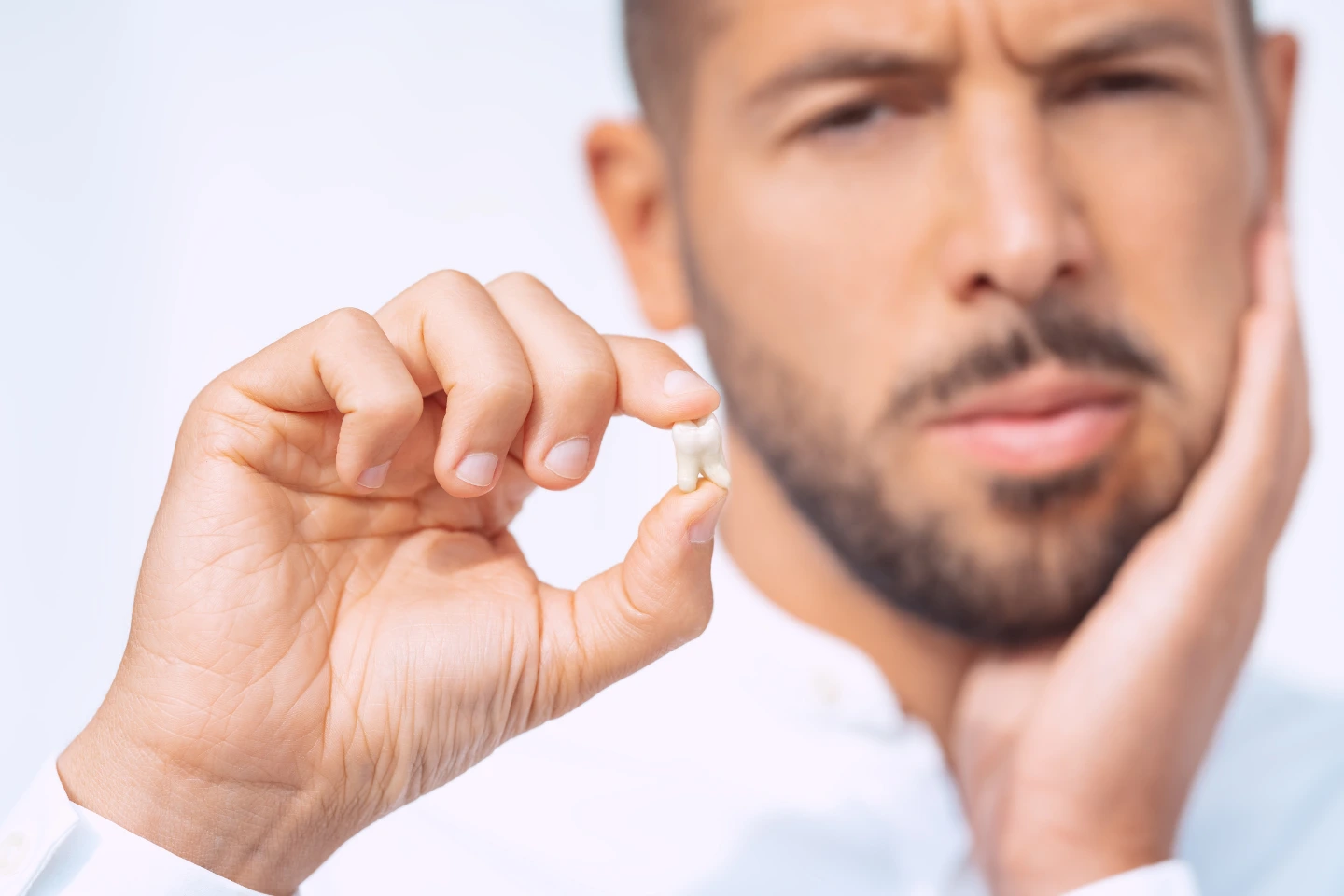
For many teenagers and young adults, the phrase wisdom teeth removal feels like an inevitable rite of passage. You might remember older siblings or friends resting on the couch with ice packs wrapped around their jaws, recovering with bowls of ice cream and mashed potatoes. Yet, despite how common this procedure is, many people wonder why these third molars cause so much trouble in the first place. Why do we develop teeth that our mouths often cannot accommodate, and how do you know when it is actually time to let them go?
Understanding the purpose of these late-arriving molars and recognizing the warning signs of complications can help you make informed decisions about your oral health. Let us take a human look at the science behind these teeth, the clear clinical reasons for extraction, and what the process looks like when you visit a family dentist in Ripon.
The Mystery of the Third Molars
To understand why third molars cause so many issues today, we have to look back at our ancestors. Thousands of years ago, human diets consisted of rough, unprocessed foods like raw roots, nuts, tough meats, and coarse grains. This diet required intense chewing power, which naturally wore down teeth and required a massive, sturdy jawbone. In that era, having a third set of molars erupting in the late teens or early twenties was highly beneficial.
As human civilization evolved, our diets shifted toward softer, cooked, and processed foods. Because our jaws no longer needed to exert such immense force to break down meals, evolutionary changes gradually led to smaller human jawbones. However, our genetics did not completely get the memo. While our jaws became smaller and more refined, most of us still inherit the genetic blueprint for all thirty-two teeth. This mismatch leaves the final four molars with nowhere to go, turning an ancient survival tool into a modern dental puzzle.
Clear Signs and Reasons for Wisdom Teeth Removal
Not everyone needs their third molars extracted. Some fortunate individuals have spacious jaw structures that allow these teeth to erupt smoothly and function just like any other tooth. However, for a vast majority of patients, leaving them alone can invite serious oral health complications. Here are the primary reasons why your dentist will recommend removal.
Impacted Wisdom Teeth
An impacted tooth is one that becomes completely or partially trapped beneath the gumline or bone. Because there is not enough physical room in the dental arch, these molars often grow at unusual angles. They might tilt sideways toward the neighboring molar, point backward toward the rear of the jaw, or lie completely flat within the jawbone. Impacted teeth can cause deep, dull aches in the jaw, chronic headaches, and a feeling of pressure at the back of the mouth.
Crowding and Structural Shifts
When a massive third molar forces its way into a crowded jaw, it acts like a domino line. The pressure exerted by the erupting tooth can push your existing teeth out of alignment. For teenagers or adults who have spent years wearing braces or clear aligners to achieve a straight smile, this movement can jeopardize their hard-earned orthodontic results.
Chronic Tooth Decay and Gum Infection
Even if a third molar manages to break through the gums successfully, its location creates a massive hygiene challenge. Being all the way at the back of the oral cavity makes it incredibly difficult to reach with standard toothbrushes and dental floss. Food debris and bacteria quickly accumulate around the area. Over time, this leads to a high rate of tooth decay and a painful gum infection known as pericoronitis, which causes localized swelling, foul breath, and difficulty opening the mouth fully.
Cysts and Bone Damage
When a third molar remains trapped inside the jaw, it develops within a protective fluid filled sac. If the tooth remains impacted for a prolonged period, that sac can fill with fluid and turn into a dental cyst. As the cyst expands, it can hollow out a portion of the jawbone, damaging the surrounding bone structure and potentially harming the roots of the healthy second molars nearby.
The Ideal Timing for Extraction
While third molars can be removed at almost any age, timing plays a monumental role in how smooth the procedure and recovery will be. Clinical data shows that the ideal window for wisdom teeth removal is during the late teenage years and early twenties, typically between the ages of seventeen and twenty-five.
During this stage of life, the roots of the third molars are only partially formed, and the surrounding jawbone is less dense and much more flexible. Removing a tooth with short, undeveloped roots is significantly easier and results in less structural trauma to the surrounding tissues. Furthermore, younger bodies inherently heal at a rapid rate, leading to shorter recovery times, less postoperative swelling, and fewer complications like dry socket.
As we age, the jawbone fuses completely and becomes much harder and less forgiving. The roots of the molars grow longer, deeper, and can become entangled with the primary sensory nerves running through the lower jaw. While adult extractions are still highly successful, the procedure requires greater surgical precision, and the recovery process is usually longer and more intensive.
What to Expect During the Procedure
The thought of oral surgery can naturally cause some nervousness, but modern dental techniques ensure the entire experience is safe, highly controlled, and completely comfortable.
The Detailed Consultation
Your journey begins with a comprehensive examination. Your dentist will utilize advanced digital panoramic X-rays or three-dimensional imaging to visualize the exact positioning of the teeth, the length of the roots, and their proximity to important nerves. This allows for the creation of a customized surgical roadmap tailored to your specific anatomy.
Keeping You Comfortable
Comfort is the top priority during the procedure. Local anesthesia is always used to completely numb the teeth and surrounding gum tissues, ensuring you feel zero sharp pain. For patients who feel anxious or require multiple complex extractions, additional sedation options, such as nitrous oxide, oral conscious sedation, or IV sedation, are available to help you remain perfectly relaxed or asleep throughout the process.
The Extraction Process
Once you are comfortable, the dentist or oral surgeon makes a small, precise incision in the gum tissue to expose the tooth and bone. If bone blocks access to the tooth root, a minimal amount of bone is removed. To make the removal as gentle as possible, the tooth is often divided into smaller sections so it can be extracted smoothly without applying excessive force to the jaw. Once the tooth is out, the site is thoroughly cleaned, and dissolvable stitches are placed to promote optimal healing.
Tips for a Smooth Recovery at Home
Your actions during the first few days after surgery play a massive role in how quickly your body heals.
- Protect the Blood Clot: After extraction, a natural blood clot forms in the socket to protect the exposed bone and nerves. To prevent dislodging this clot, avoid smoking, spitting forcefully, or drinking through a straw for at least a week.
- Manage Swelling with Ice: Mild swelling and bruising are completely normal. Applying an ice pack to the outside of your cheek for twenty minutes on and twenty minutes off during the first twenty-four hours will dramatically minimize swelling.
- Stick to Soft Foods: Keep your diet limited to smooth, soft foods that require no chewing, such as yogurt, smoothies, applesauce, cooled broths, and pudding. Avoid hot liquids, spicy dishes, or foods with tiny seeds that could become trapped in the healing sockets.
- Maintain Gentle Oral Hygiene: Do not brush directly over the surgical sites for the first day or two. Instead, keep your mouth clean by gently rinsing with warm salt water after meals to soothe the tissues and clear away debris.
Schedule a Consultation with Ripon Dental
If you or your teenager are starting to experience jaw discomfort, persistent pressure at the back of the mouth, or if it has simply been a while since your last digital dental X-ray, our welcoming team is here to help. As your trusted family dentist in Ripon, we focus on providing compassionate, patient-centered care designed around your family's long-term health and comfort. Contact Ripon Dental today to schedule a comprehensive evaluation and let us help you maintain a bright, pain free smile for years to come.
Frequently Asked Questions
Does everyone have wisdom teeth?
No, not everyone develops them. Due to genetic variations, some people are born without any third molars at all, while others might only have one, two, or three. It is also common for these teeth to remain completely hidden beneath the gums for a lifetime without ever erupting.
What is a dry socket and how can I avoid it?
A dry socket occurs when the protective blood clot in the extraction site dislodges or dissolves prematurely, exposing the underlying bone and nerves to air and food. It can cause a sudden, throbbing pain a few days after surgery. You can avoid it by avoiding straws, skipping smoking, and following your postoperative care instructions closely.
How long do I need to take off from school or work?
Most patients require about two to three days of rest before resuming normal, non-strenuous school or work activities. If your job involves heavy physical lifting or intense exertion, you may need to wait up to a week, as elevated blood pressure can cause the surgical sites to bleed.
Can wisdom teeth cause my front teeth to become crooked?
Yes, if your jaw lacks the structural space to accommodate these massive molars, their eruption creates continuous forward pressure. This pressure ripples through the dental arch, frequently causing the smaller front teeth to crowd, overlap, or shift out of position.



Get in Touch With Ripon Dental
Book your appointment at Ripon Dental and enjoy trusted, family-friendly dental care in the heart of Ripon


Monday to Friday: 8 AM - 5 PM
Saturday & Sunday: Closed


© Ripon Dental 2026. All Rights Reserved | Privacy Policy | Digital Marketing by Remedo