
What Causes Tooth Sensitivity and When Should You See a Dentist?
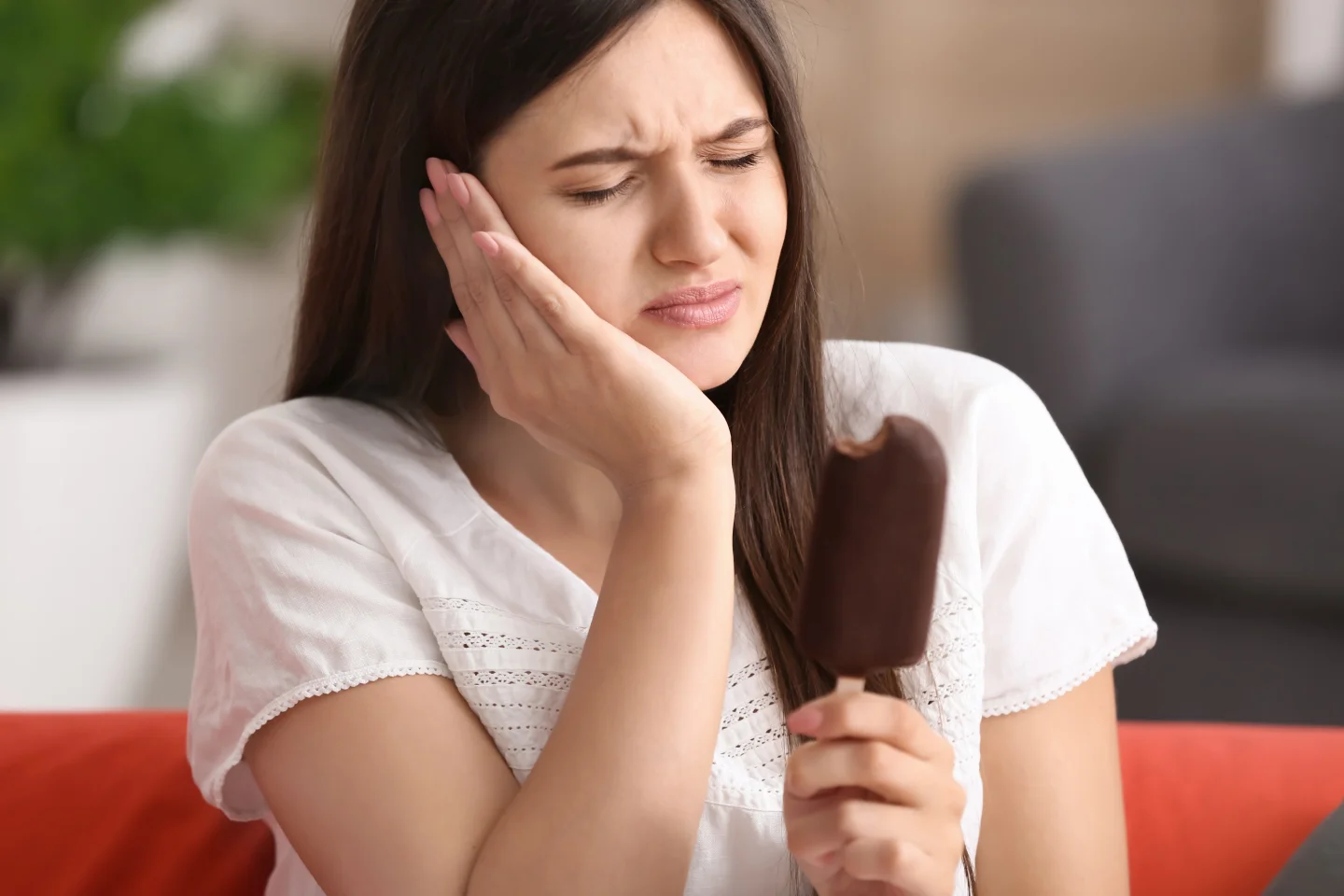
You take a sip of your morning coffee, and there it is again. That quick, sharp zing in your back tooth. Maybe it happens with ice cream instead, or a cold glass of water, or a rush of cold air while you're walking outside. You wince, wait for it to pass, and get on with your day. It's happened enough times now that you've started avoiding certain foods altogether. And you're starting to wonder: is this just something you have to live with, or is it a sign of something that needs attention?
Sound familiar? You're not alone. Tooth sensitivity is one of the most common complaints dentists hear, and it can range from a mild, occasional twinge to a persistent ache that changes how you eat and drink. Here's the thing, though. Sensitivity almost always has an identifiable cause. In most cases, it's manageable once you know what's actually behind it.
What Tooth Sensitivity Actually Feels Like
Tooth sensitivity, also called dentin hypersensitivity, usually shows up as a short, sharp pain triggered by something specific. Cold drinks. Hot food. Sugary snacks, cold air, even brushing your teeth. The discomfort tends to hit fast and fade within a few seconds, which is different from a toothache that lingers or throbs on its own. That distinction matters. The pattern of your discomfort can help you and your dentist figure out what's going on.
Causes of Tooth Sensitivity
There isn't just one reason teeth get sensitive. Several things can be happening at once, honestly, which is why it helps to look at the most common causes one at a time.
Worn Tooth Enamel
Enamel is the hard, protective outer layer of your teeth. Underneath it is dentin, a softer layer filled with tiny tubules that lead straight to the nerve center of the tooth. When enamel wears down from brushing too hard, teeth grinding, or acidic foods and drinks, dentin gets exposed. Once that happens, hot, cold, or sweet stimuli reach the nerve a lot easier. That's your familiar zing.
Gum Recession
As gums recede (whether from aggressive brushing, gum disease, or just plain aging), the root surface of the tooth can become exposed. Roots don't have the same enamel protection as the crown of the tooth. So this area tends to be especially reactive to temperature and pressure.
Tooth Decay or Cavities
A cavity creates an opening in the tooth's protective layers, giving stimuli a direct path to the nerve. Sensitivity in one specific tooth, rather than spread across several, is sometimes a sign of decay that needs to be addressed.
Cracked or Chipped Teeth
A crack doesn't have to be visible to cause discomfort. Even a small fracture line can let temperature changes or pressure reach the inner part of the tooth. The result? Sharp, sometimes unpredictable sensitivity.
Teeth Grinding (Bruxism)
Grinding your teeth, often during sleep, wears down enamel over time and can lead to small cracks too. Many people don't even realize they grind until a dentist points out the wear patterns during an exam.
Recent Dental Work
It's common to notice some sensitivity after a filling, crown, or teeth whitening treatment. This kind usually settles down within a few days to a couple of weeks. If it doesn't improve, mention it at your next visit.
Acidic Foods and Drinks
Frequent citrus fruits, soda, wine, and other acidic items can slowly wear down enamel, making teeth more prone to sensitivity over time.
Sensitive Teeth Treatment Options
Once the cause is identified, treatment is usually pretty straightforward. Here's what's commonly used, depending on what's driving the sensitivity.
Desensitizing Toothpaste
These toothpastes contain compounds that help block the tubules in dentin, so stimuli have a harder time reaching the nerve. Consistent use over several weeks is usually needed before you notice a difference. Not an overnight fix, but it works.
Fluoride Treatments
Professional fluoride applications can strengthen enamel and cut down on sensitivity, especially for people with mild to moderate enamel wear.
Dental Bonding or Sealants
When exposed root surfaces or minor enamel loss are the issue, a dentist may apply a bonding material to cover the exposed area and calm down the reactivity.
Gum Grafting
For more significant gum recession, a gum graft can cover exposed roots and reduce sensitivity while protecting the tooth from further recession.
Addressing the Underlying Cause
If sensitivity is linked to a cavity, cracked tooth, or grinding habit, treating that root cause (a filling, a crown, a nightguard, whatever fits) is usually what it takes for lasting relief. Treating symptoms alone, without dealing with the actual issue, tends to bring only temporary improvement. Easier said than done sometimes, but it's the difference between a fix and a band-aid.
When Sensitivity Means It's Time to See a Dentist
Occasional mild sensitivity isn't necessarily an emergency. But there are signs that mean it's time to schedule an appointment instead of waiting it out:
- The sensitivity is getting worse over time instead of improving
- Pain lingers for more than a few seconds after the trigger is gone
- You notice sensitivity in just one tooth rather than several
- There's visible damage, like a chip, crack, or dark spot
- Your gums look like they're receding or seem inflamed
- Over-the-counter desensitizing toothpaste isn't helping after a few weeks of consistent use
Sensitivity that comes on suddenly and hits hard, especially paired with swelling or pain that lingers, is worth addressing sooner rather than later. It can point to a cavity or infection that needs treatment before things go sideways.
Ready to Get Started?
If cold drinks, sweets, or even brushing your teeth have started causing discomfort, it's a good time to get things checked out instead of working around the pain. At Ripon Dental, we take the time to figure out what's actually causing your sensitivity so we can recommend a treatment that addresses the source, not just the symptom. Our team provides dental care in Ripon, CA, for patients dealing with everything from mild sensitivity to more involved dental concerns. Reach out to Ripon Dental to schedule an appointment and get some clarity on what's going on with your teeth.
FAQs
Q. Is tooth sensitivity always a sign of a serious problem?
Not necessarily. Mild sensitivity can happen from minor enamel wear or recent dental work and often improves on its own or with desensitizing toothpaste. That said, sensitivity that persists, worsens, or sticks to one tooth is worth having evaluated.
Q. Can sensitive teeth be a sign of gum disease?
Yes, gum disease can cause the gums to recede, exposing root surfaces that are more sensitive to temperature and pressure. Notice gum sensitivity along with bleeding or swelling? Get it checked.
Q. Why do my teeth hurt when I breathe in cold air?
Exposed dentin or thinning enamel can make teeth reactive to temperature changes in the air, not just food and drinks. It's a common sign that the tooth's protective layer has been compromised somehow.
Q. How long does sensitivity from teeth whitening usually last?
It typically fades within a few days to about two weeks. If it continues beyond that or feels intense, mention it to your dentist.
Q. Can children experience tooth sensitivity too?
Yes, though it's less common than in adults. In children, tooth sensitivity may be associated with cavities, enamel defects, newly erupted permanent teeth, or other dental conditions. A dental evaluation can help identify the cause.
Q. What's the difference between sensitivity and a toothache?
Sensitivity is usually a brief, sharp reaction to a specific trigger like cold or sweet foods. A toothache tends to be more constant or throbbing, even without a trigger, and often points to something more advanced, like decay or infection.



Get in Touch With Ripon Dental
Book your appointment at Ripon Dental and enjoy trusted, family-friendly dental care in the heart of Ripon


Monday to Friday: 8 AM - 5 PM
Saturday & Sunday: Closed


© Ripon Dental 2026. All Rights Reserved | Privacy Policy | Digital Marketing by Remedo