
Tooth-Colored Fillings: A Natural-Looking Solution
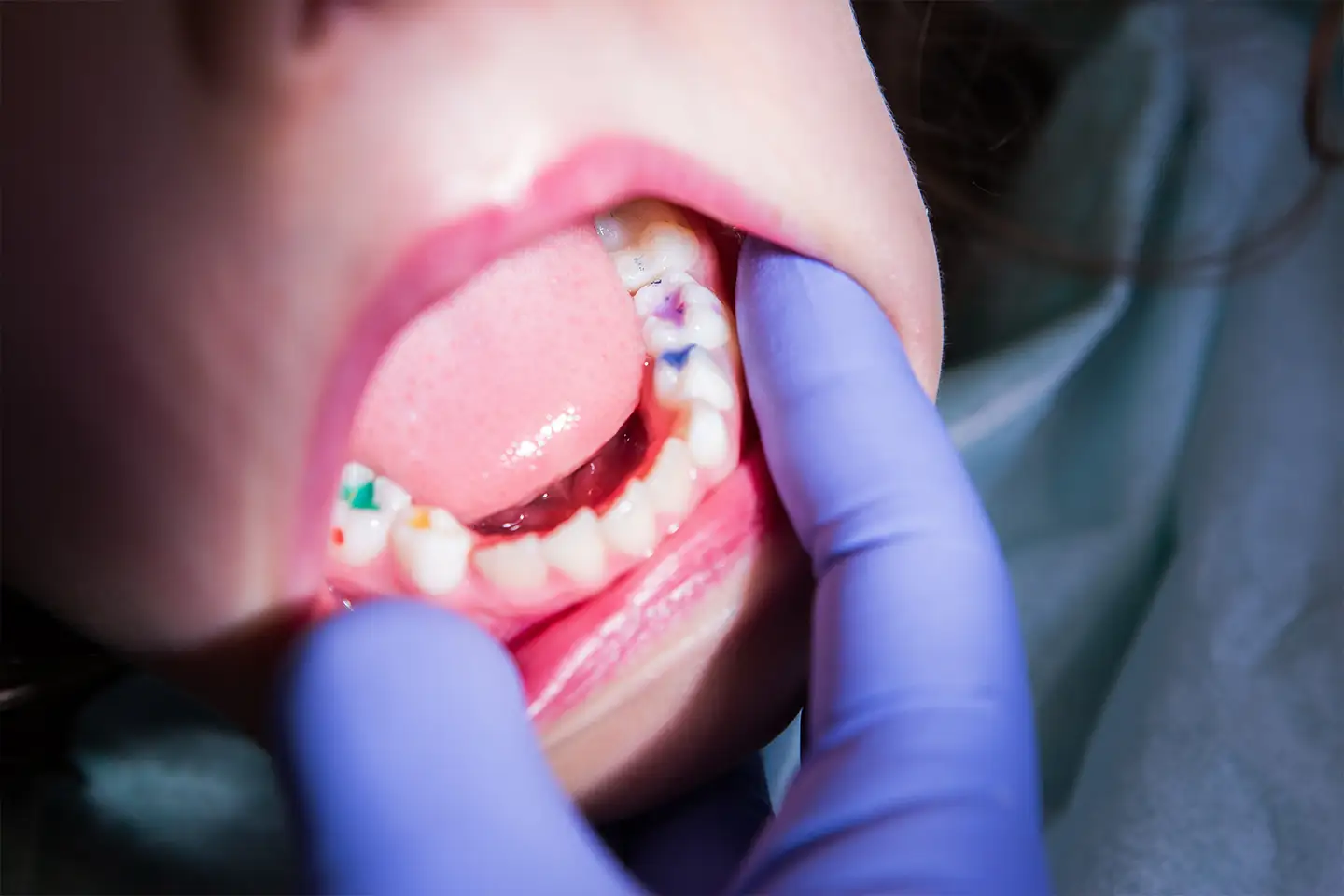
What Are Tooth-Colored Fillings?
Fillings can be used to restore teeth with small to mid-sized cavities as well as minor chips, fractures, and wear. Tooth-colored fillings are a popular choice for restorations because they complement the natural beauty of a smile. Unlike traditional gold or silver fillings, tooth-colored fillings blend in with tooth enamel to restore decayed or damaged teeth almost invisibly.
Early detection of cavities plays a major role in successful treatment. Modern technologies such as laser-based diagnostic tools help dentists detect decay earlier and more precisely. Learn more about advanced detection methods in our guide to laser decay diagnostics.
Types of Tooth-Colored Filling Materials
While composite resin fillings are the most well-known option, porcelain and glass ionomer fillings are also unobtrusive choices for dental restoration. The filling you choose will depend, in part, on the filling’s size and location and the kind of restoration you need.
Composite Resin Fillings
Made of acrylic resin mixed with powdered quartz, glass, or other ceramic particles, composite fillings can be used for both direct and indirect fillings. These are the most popular tooth-colored restorations.
- Can be applied to the tooth immediately after preparation
- Can be closely matched in color to tooth enamel
- Harden quickly under a special curing light
- Less expensive than porcelain fillings
- Preserve more tooth structure than metal amalgams
- Durable but may not be as strong as porcelain or crowns for heavy chewing surfaces
- Insurance coverage can vary depending on the location of the filling
For small cosmetic repairs, dentists may also recommend treatments such as dental bonding, which can restore minor imperfections while maintaining a natural look.
Porcelain/Ceramic Fillings
These indirect fillings are made of advanced ceramic materials fabricated using an impression of the prepared tooth for a precise fit.
- Most realistic looking because they are translucent as well as color matched
- Typically last longer than composite fillings and resist staining
- Less likely to chip or crack compared to some materials
- Usually require at least two appointments
- More expensive than composite fillings
In cases where the restoration needs to cover more tooth structure, dentists may recommend alternatives like inlays or onlays. Learn how these work in our detailed guide to inlays and onlays.
Glass Ionomer Fillings
Glass ionomer is a flexible paste made with silicate glass powder. Commonly used as a sealant or cement for orthodontic brackets, glass ionomers can also be used in fillings.
- Bonds directly to the tooth itself
- Can release fluoride over time for added anti-cavity protection
- Resin-modified options harden more quickly
- Don’t always blend as well with natural tooth color
- Less durable than other materials
These fillings are often used in temporary restorations, along the gum line, or in baby teeth where long-term strength is less critical.
Direct vs Indirect Tooth-Colored Fillings
Direct Fillings
Direct fillings are completed in one appointment. The filling is bonded to the tooth immediately after any decay is removed and the tooth is cleaned and prepared.
Routine checkups and dental exams and professional cleaning help identify cavities early, making direct fillings more effective and minimally invasive.
Indirect Fillings (Inlays and Onlays)
Indirect fillings take one of two forms:
- An inlay, which covers the surface of a molar inside the cusps
- An onlay, which covers the surface and at least one cusp
After the tooth is free of decay, cleaned, and prepped, an impression is taken. The filling is created from this impression and bonded during a second visit. Indirect restorations are ideal for repairing moderate damage or reinforcing weakened teeth.
When Fillings May Not Be Enough
If decay progresses deeper into the tooth, additional treatment may be needed. For example:
- Severe decay may require a root canal before restoration.
- Larger fractures or structural damage might need crowns or advanced restorations. Read about options in choosing dental crown materials.
- Teeth with significant structural loss may benefit from same-day crown solutions.
Preventing Future Cavities
The size of a cavity, its location, and cost considerations all affect your choice of filling. However, prevention remains the best strategy.
Maintaining excellent oral hygiene and learning about tooth decay prevention can help reduce the need for restorations. Regular visits also allow dentists to catch issues early, such as chips or broken teeth, before they worsen.
Restore Your Smile at Ripon Dental
Experience exceptional dental care at Ripon Dental, home to the best dentist and the finest dental services in town. Conveniently located at 1222 W Colony Rd, Suite 140, Ripon, CA 95366, US, we invite you to contact us today at (209) 924-4089 to discover our comprehensive range of services.



Get in Touch With Ripon Dental
Book your appointment at Ripon Dental and enjoy trusted, family-friendly dental care in the heart of Ripon


Monday to Friday: 8 AM - 5 PM
Saturday & Sunday: Closed


© Ripon Dental 2026. All Rights Reserved | Privacy Policy | Digital Marketing by Remedo