Tooth Sensitivity: Causes and Effective Treatments
What Is Tooth Sensitivity?
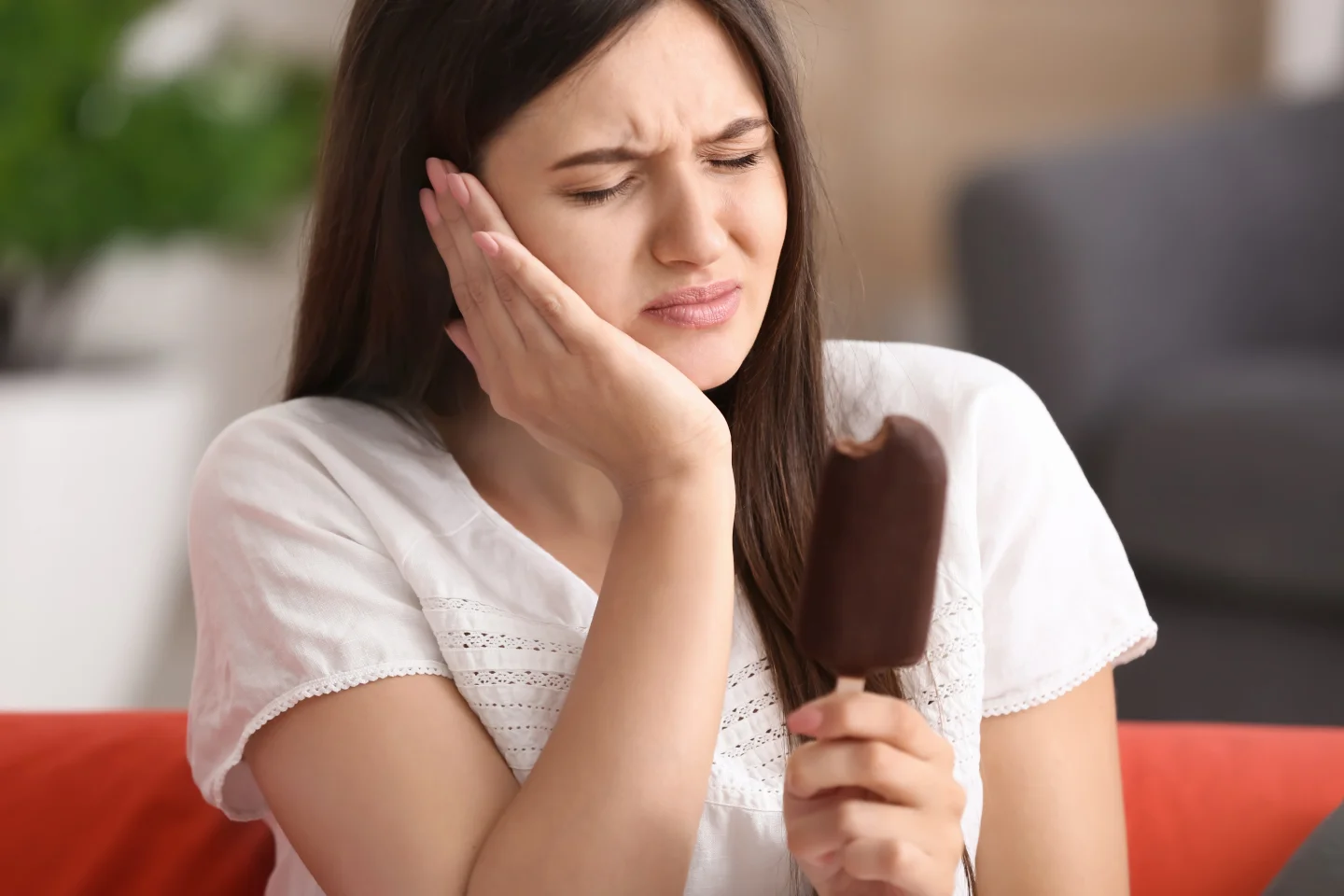
Drinking hot and cold beverages, eating sweet or acidic foods, brushing your teeth, breathing through your mouth, or biting down if any of these normal activities are causing you pain, you’re probably experiencing tooth sensitivity.
Understanding tooth anatomy helps explain why teeth can become sensitive.
Tooth Anatomy Explained
Enamel covers the crown, the visible part of the tooth above the gum line. Enamel is composed primarily of minerals and is the hardest substance in the body. Intact enamel protects the vulnerable tissues inside the tooth.
Cementum covers the roots of the tooth and, while quite strong, is more porous and softer than enamel.
Dentin lies just beneath the outer enamel and cementum. It’s a softer tissue filled with microscopic tubules connected to the pulp. When damaged enamel or cementum exposes part of the dentin layer, the tooth becomes sensitive to temperature, sugars, acids, and touch.
Inside the tooth are the pulp chamber and root canals, filled with living tissue composed of nerves, blood vessels, and connective tissue. If the pulp becomes inflamed or infected, pressure builds on the nerves and causes pain. In severe cases, procedures like a root canal treatment may be necessary to save the tooth.
What Causes Tooth Sensitivity?
Sensitivity is often a sign that the tooth structure has been compromised. Seeing your dentist promptly helps identify the underlying cause and prevent further damage.
Tooth Decay
When a cavity penetrates the enamel and reaches the dentin, sharp pain may occur when eating certain foods or drinking hot or cold beverages. Sensitivity may also indicate a loose or damaged filling. Early treatment prevents decay from reaching the inner pulp.
Infection
Once decay reaches the pulp, infection can spread to surrounding bone and gum tissue. Because the pulp contains nerves, inflamed tissue can cause severe pain and sensitivity. Learn more about treatment options in our guide to root canal procedures.
Trauma
A chip, crack, or fracture can expose dentin and pulp to bacteria. Restorations such as crowns, veneers, or bonding may be recommended to protect the tooth.
Gum Disease
Periodontitis causes the gums to pull away from the teeth, exposing root surfaces that are more sensitive. If untreated, gum disease can lead to further complications. Learn how this condition progresses in our article on periodontal disease and its effects.
Acidic Erosion
Acids from foods, beverages, or conditions like acid reflux can wear away enamel, exposing sensitive dentin. Limiting acidic drinks and practicing good oral care helps reduce risk. Read more in our guide about acidic drinks and tooth erosion.
Abrasive Brushing
Aggressive brushing and hard-bristled brushes can cause enamel erosion and gum recession. Using proper brushing techniques and tools can prevent sensitivity. Follow best practices in our guide on how to brush and floss correctly.
Tooth Grinding
Nighttime grinding puts excessive pressure on teeth, causing enamel wear and tiny fractures that increase sensitivity. A custom nightguard may be recommended. Learn more about bruxism and teeth grinding.
Malocclusion (Bite Problems)
An unbalanced bite can place excessive pressure on certain teeth, leading to wear, cracks, or inflammation. Orthodontic treatment may help restore balance. Explore more about bite problems and dental alignment.
When Should You See a Dentist?
Tooth sensitivity shouldn’t be ignored. Any unpleasant or painful sensation that persists should be evaluated by your dentist to determine the cause and create a treatment plan for a pain-free smile.
Experience exceptional dental care at Ripon Dental, home to the best dentist and the finest dental services in town. Conveniently located at 1222 W Colony Rd, Suite 140, Ripon, CA 95366, US, we invite you to contact us today at (209) 924-4089 to discover our comprehensive range of services.



Get in Touch With Ripon Dental
Book your appointment at Ripon Dental and enjoy trusted, family-friendly dental care in the heart of Ripon


Monday to Friday: 8 AM - 5 PM
Saturday & Sunday: Closed


© Ripon Dental 2026. All Rights Reserved | Privacy Policy | Digital Marketing by Remedo