
Dental Bridges: Types, Benefits, and Procedure Explained
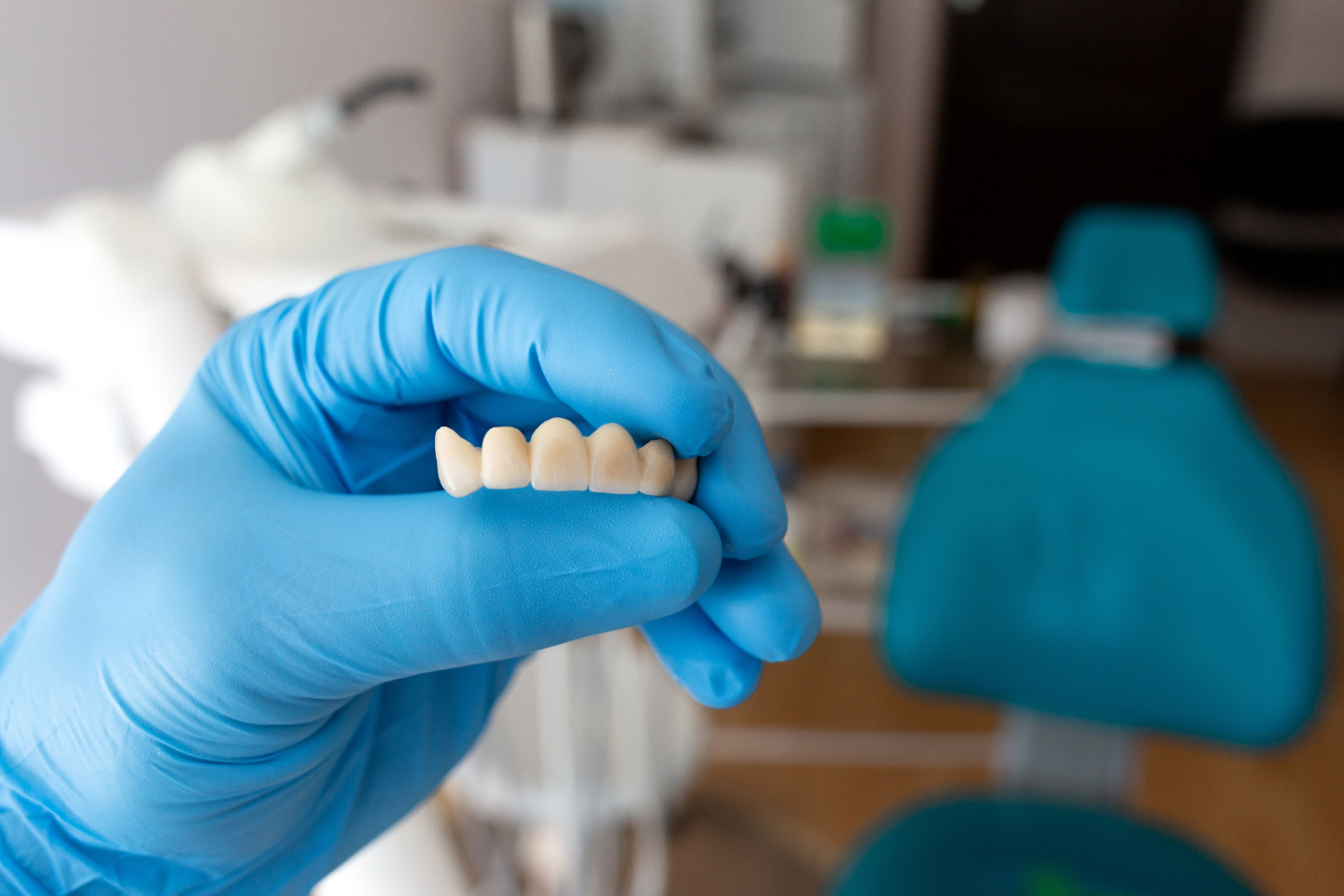
Losing a tooth can impact both the function and appearance of your smile. It can make eating and speaking difficult, increase stress on surrounding teeth, and even change the shape of your face over time.
Dental bridges are an effective solution designed to restore missing teeth and maintain your oral health.
For alternative solutions, you can also explore dental implants.
What Is a Dental Bridge?
A dental bridge is a restoration that replaces one or more missing teeth using artificial teeth called pontics. These pontics are supported by adjacent natural teeth or implants.
Bridges are typically made from:
- Porcelain
- Metal
- Porcelain fused to metal
They are designed to match your natural teeth in shape, size, and color.
Why Replacing Missing Teeth Is Important
Missing teeth can lead to:
- Difficulty chewing and speaking
- Shifting of surrounding teeth
- Increased risk of gum disease
- Bite misalignment
Learn more about bite-related issues in TMJ disorders.
Types of Dental Bridges
There are several types of dental bridges, each suited for different needs:
Traditional Bridge
- Supported by crowns on adjacent teeth
- Strong and commonly used
- Requires reshaping of neighboring teeth
This often involves placing dental crowns.
Cantilever Bridge
- Supported by a single adjacent tooth
- Used when only one supporting tooth is available
- Not ideal for back teeth due to pressure
Maryland Bridge
- Uses metal or porcelain wings bonded to adjacent teeth
- Less invasive (no crowns required)
- Ideal for front teeth
Implant-Supported Bridge
- Anchored by dental implants instead of natural teeth
- Provides strong support and durability
- Helps preserve jawbone health
You can learn more about this option in dental implants.
The Dental Bridge Procedure
The process typically involves:
- Preparing the abutment teeth
- Taking impressions for a custom fit
- Placing a temporary bridge
- Fitting and securing the permanent bridge
Advanced tools like digital dental impressions may be used for accuracy.
Aftercare and Adjustment
After getting a bridge:
- Eat soft foods initially
- Maintain proper oral hygiene
- Attend regular dental visits
Good hygiene practices like brushing and flossing are essential for longevity.
Benefits of Dental Bridges
- Restores chewing and speaking ability
- Improves appearance and confidence
- Prevents teeth from shifting
- Maintains facial structure
FAQ
How long do dental bridges last?
With proper care, they can last 10–15 years or longer.
Are bridges better than implants?
It depends on your condition, your dentist will recommend the best option.
Is the procedure painful?
Local anesthesia ensures minimal discomfort.
Can I eat normally with a bridge?
Yes, after a short adjustment period.
Conclusion
Dental bridges are a reliable and effective way to replace missing teeth and restore both function and aesthetics. With multiple types available, your dentist can help you choose the best option based on your needs and oral health.
Taking timely action to replace missing teeth prevents further complications and ensures long-term oral health.
At Ripon Dental, we offer customized tooth replacement solutions to restore your confident smile. Visit us at 1222 W Colony Rd, Suite 140, Ripon, CA 95366, or call (209) 924-4089 to schedule your appointment today.



Get in Touch With Ripon Dental
Book your appointment at Ripon Dental and enjoy trusted, family-friendly dental care in the heart of Ripon


Monday to Friday: 8 AM - 5 PM
Saturday & Sunday: Closed


© Ripon Dental 2026. All Rights Reserved | Privacy Policy | Digital Marketing by Remedo