
Apicoectomy: When Root Canal Retreatment Isn't Enough
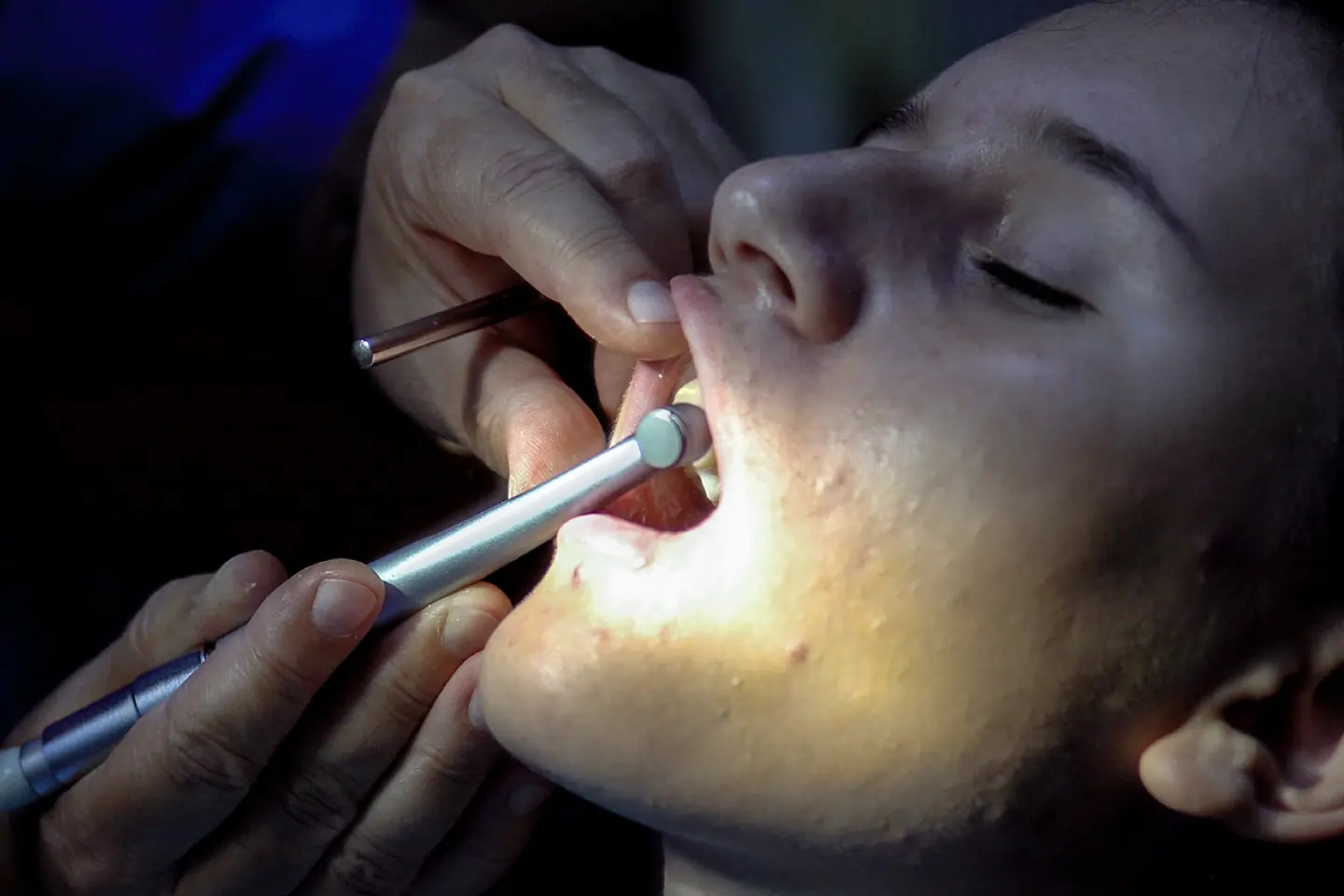
What Is an Apicoectomy?
Root canal therapy is often enough to treat infection in the inner tooth successfully. If pain or inflammation returns, however, these symptoms can indicate a new or recurring infection. In such cases, an apicoectomy is a common surgical procedure used to save the tooth and restore the health of the surrounding bone and gum tissue.
Every tooth contains pulp tissue, both inside the crown above the gum line and in the canals within the roots. These canals are small tunnels that travel from the pulp chamber in the crown to the tip of each root.
Nerves and blood vessels connect pulp tissue to the nervous and circulatory systems in the body, entering and exiting the tooth from very small openings in the root tip. An infection in the root pulp can spread to the gum and bone tissue around it through these openings.
An apicoectomy, also known as a root-end resection, is the surgical removal of the apex, or tip, of a tooth’s root. This allows your dentist to access and remove any damaged and infected tissue within and around the root. Apicoectomies are common endodontic surgeries performed with state-of-the-art diagnostic and surgical tools.
When Is an Apicoectomy Needed?
Most often, an apicoectomy is performed when infection occurs after a previously completed root canal procedure. If infection persists or returns, surgical intervention may be necessary to remove infected tissue that cannot be accessed through traditional treatment.
Your dentist may also recommend this procedure if:
- Calcium deposits block access to the root canal
- A crown or bridge makes conventional retreatment difficult
- Trauma affects the root or surrounding bone
- Persistent symptoms occur after treatment
Common symptoms of infection include:
- Pain which can be mild or very intense
- Sensitivity to pressure or temperature
- An abscess, pus, or discolored discharge near the tooth
- Swelling, redness, or tenderness in the gums and tissues around the tooth
- A foul taste in the mouth or persistent bad breath
If you experience ongoing discomfort or wake up with sudden dental pain, reading about toothache causes and treatments may help you recognize when to seek immediate dental care.
How the Apicoectomy Procedure Works
Often, local anesthesia is all that is needed. If you are interested in sedation options, you may discuss sedation dentistry solutions with your dentist for added comfort during the procedure.
Once the area around the root is numb, an incision is made in the gum tissue to allow access to the root and any affected bone tissue.
Your dentist will carefully remove a few millimeters from the root tip, then clean the infected area and remove any inflamed or infected tissue from the surrounding bone. The root will be filled, and the tip sealed.
Advanced imaging, such as cone beam CT imaging may be used beforehand to precisely locate infection and guide surgical planning.
Recovery and Aftercare
Sutures will be used to close the incision, which will dissolve on their own or be removed at a follow-up visit.
Your dentist will provide detailed post-operative instructions. You should follow these carefully to reduce swelling and ensure proper healing. Pain or sensitivity after the procedure can often be managed with anti-inflammatory medication such as ibuprofen, though prescription medication may sometimes be recommended.
Antibiotics may also be prescribed when necessary to treat infection and promote healing.
Apicoectomy vs Root Canal Retreatment
An apicoectomy is typically performed after an unsuccessful root canal. In many cases, a second treatment known as root canal retreatment may be considered first because it is less invasive.
However, if retreatment is not possible or fails to resolve the infection, surgical removal of the root tip offers a highly effective alternative.
During an apicoectomy:
- The area is numbed with local anesthetic
- A small incision exposes the root
- Inflamed tissue is removed
- Only a few millimeters of the root tip are removed
- A filling seals the end of the root
Magnification and precision instruments allow dentists to perform this surgery with a high success rate. Over the following months, the surrounding bone gradually heals and regenerates around the treated area.
Why Prompt Treatment Matters
If you have recurring or new symptoms after a root canal, see your dentist promptly. Left untreated, infection can destroy tooth, gum, and bone tissue.
An apicoectomy can be your best option to preserve your natural tooth, eliminate infection, and restore long-term oral health.
Conclusion
An apicoectomy is an effective solution when infection persists after a root canal, helping save your natural tooth and restore oral health. If you are experiencing ongoing pain, swelling, or signs of infection, early treatment is important to prevent further complications. Schedule a consultation with our dental team today to discuss your symptoms, explore treatment options, and take the next step toward a healthier smile.



Get in Touch With Ripon Dental
Book your appointment at Ripon Dental and enjoy trusted, family-friendly dental care in the heart of Ripon


Monday to Friday: 8 AM - 5 PM
Saturday & Sunday: Closed


© Ripon Dental 2026. All Rights Reserved | Privacy Policy | Digital Marketing by Remedo