
The Consequences of Losing Teeth and How to Prevent It
Why Tooth Loss Impacts More Than Just Your Smile
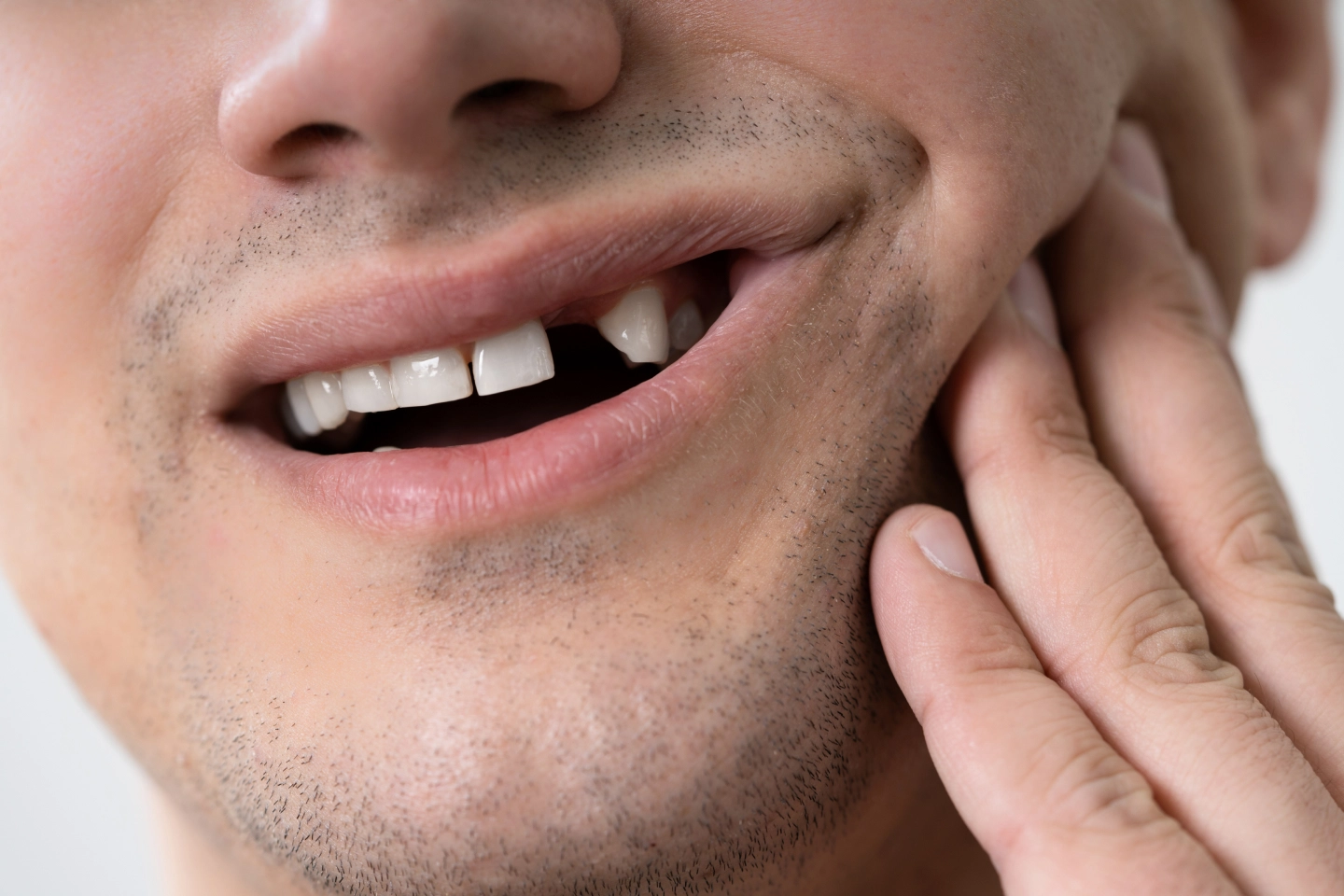
Losing teeth can cause discomfort and difficulty eating and speaking, but it also can negatively affect our jawbone and overall oral health. Many patients focus only on aesthetics, but understanding the broader effects of tooth loss is essential for maintaining long-term dental stability.
Bone needs stimulation to maintain its form and density. When you lose teeth, your jawbone loses the stimulation it needs to stay strong and keep its form and begins to deteriorate. Patients experiencing missing teeth may notice gradual functional changes that affect chewing, facial appearance, and bite alignment. If you want to understand more about how untreated tooth loss progresses, read about missing teeth and their long-term effects.
Consequences Of Bone Loss In The Jaw
When bone loss occurs after tooth extraction or untreated tooth loss, several structural changes may develop:
- A 25% decrease in jawbone width in just the first year of tooth loss
- Change to face structure and aesthetics
- Increased chance of bone fracture in the face and jaw
- Movement of other teeth, creating bite misalignment (learn more about loose teeth and bite problems)
- Possible TMJ pain from change in bite, see how jaw alignment affects TMJ disorders
In many cases, dentists may recommend procedures such as bone grafting to restore lost bone structure and prepare the jaw for tooth replacement options.
Tooth Replacement Options
Replacing missing teeth early helps prevent further bone loss and protects overall oral health. Below are the most common treatment options.
Dental Implant
A dental implant is the most recommended tooth-replacement treatment because it restores the look, feel, and function of a real tooth. Because the implant fuses directly into the jawbone, it helps prevent bone loss by mimicking natural tooth roots.
Dental implants require a minor surgical procedure with local anaesthesia. The implant is placed directly into the jawbone and capped with a lifelike dental crown to give you the feel and function of your natural teeth. Many implant procedures fall under modern oral surgery procedures, ensuring precise and predictable outcomes.
With a success rate of over 95%, implants are considered one of the most reliable long-term solutions for tooth replacement.
Partial Or Full Dentures
Dentures are removable replacements for missing teeth and surrounding tissues. Partial dentures are used when only some teeth are missing and put pressure on existing teeth and bones. This pressure can accelerate bone loss and loosen existing teeth.
Patients who recently had tooth extractions often consider dentures as a temporary or long-term replacement option depending on their individual needs.
Bridgework
Bridgework is the use of a false tooth to bridge two healthy teeth. Bridgework relies on support from two adjacent, possibly healthy, teeth that must be filed down and capped, making them vulnerable to decay and root canal problems. Learn more about how dental bridges work as a tooth replacement option.
While they can restore the appearance of a real tooth, they do not address bone loss that occurs after tooth loss.
Why Dental Implants Are Often the Best Long-Term Investment
Both dentures and bridgework are less expensive than implants in the short term but don’t prevent bone loss and may need to be replaced themselves. Dental implants support long-term health, function, and aesthetics by preserving jawbone structure and maintaining natural bite stability.
Choosing the right tooth replacement depends on your oral health, bone condition, and long-term goals. Consulting with your dentist helps ensure you select the option best suited to your needs.



Get in Touch With Ripon Dental
Book your appointment at Ripon Dental and enjoy trusted, family-friendly dental care in the heart of Ripon


Monday to Friday: 8 AM - 5 PM
Saturday & Sunday: Closed


© Ripon Dental 2026. All Rights Reserved | Privacy Policy | Digital Marketing by Remedo